
January 27, 2026
Did you know? Blaze Trees: Silent Markers of the Past
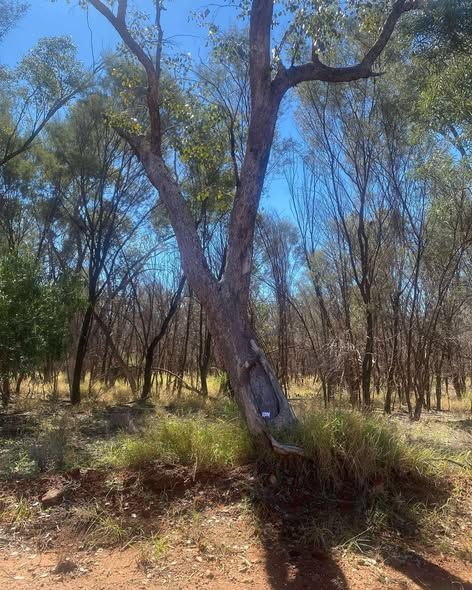
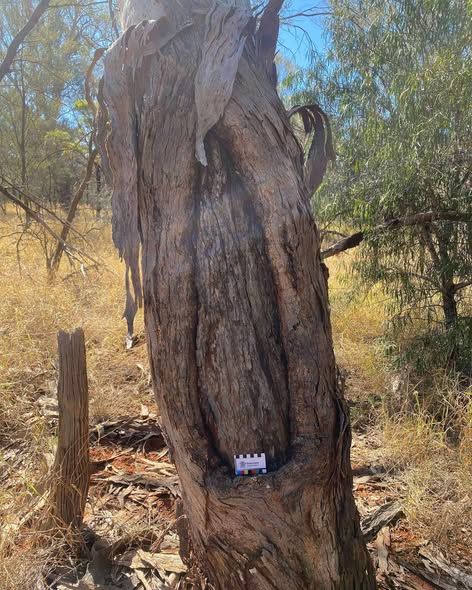
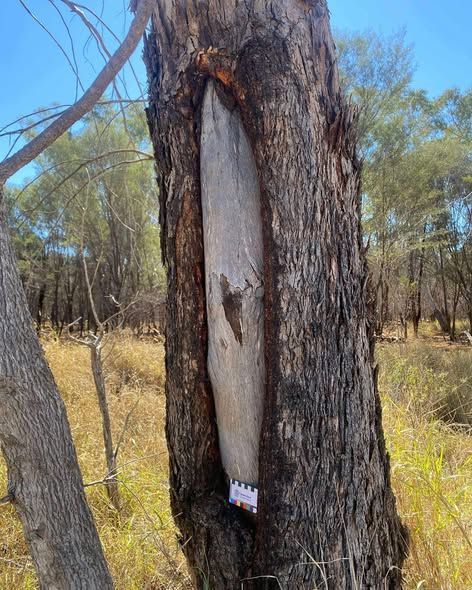
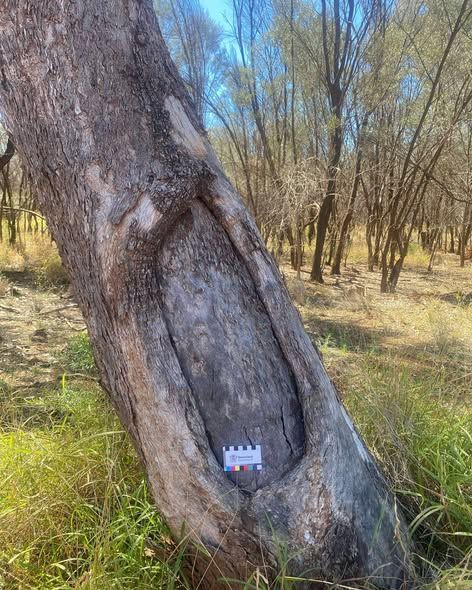
Did you know? Not all scarred trees are of Aboriginal cultural origin. Some, like the ones in these photos, were “blazed” by early European settlers, explorers, or surveyors to mark trails, boundaries, land parcels and even watercourses.
These scars were often made using iron/steel axes, and the cut marks of these tools alongside visible traces of white paint are typical indicators of a European origin. They were used as surveyor’s marks before being replaced by the permanent survey markers that form the basis of today’s cadastral maps.
You might be wondering: How do our expert archaeologists identify these blaze trees? These trees are identified by:
- Iron axe cut marks
- Remnants of white surveyor’s paint
- Placement on fence lines, lot corners, or boundary points
Scarred trees, including these blazes, are all part of the multi-layered history written, or in this case - cut into our landscapes.
Other Redleaf Group new articles you might enjoy

Dr Darren Fielder joins Queensland’s Freshwater Fisheries Working Group, contributing expertise in freshwater ecology and fisheries management.
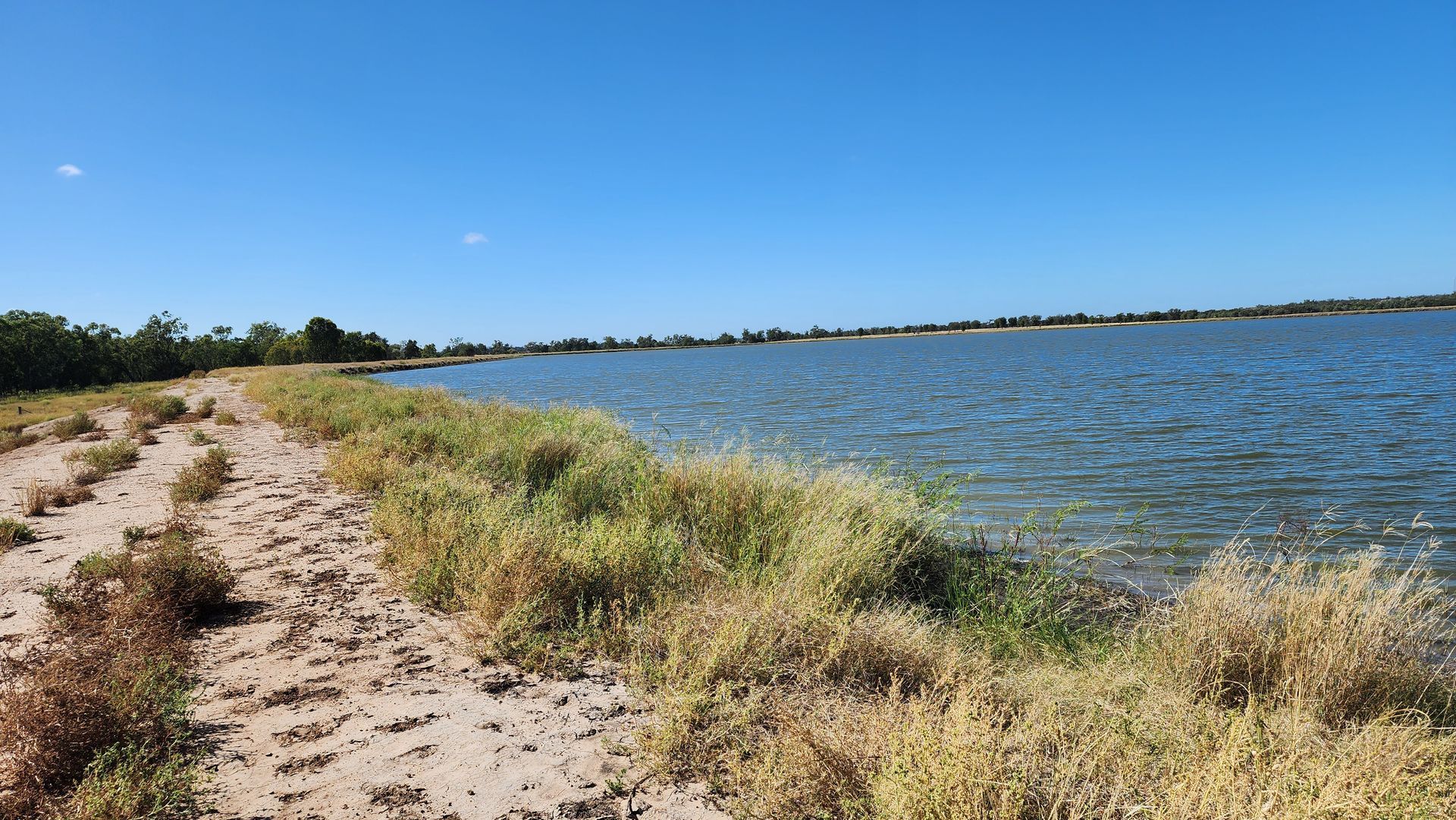
Learn how field research demonstrated fish protection screens can eliminate fish entrainment and improve native fish survival during irrigation water extraction.