Aquatic Habitat and Waterway Health Assessments
Understand waterway values and potential project impacts.
[Placeholder]
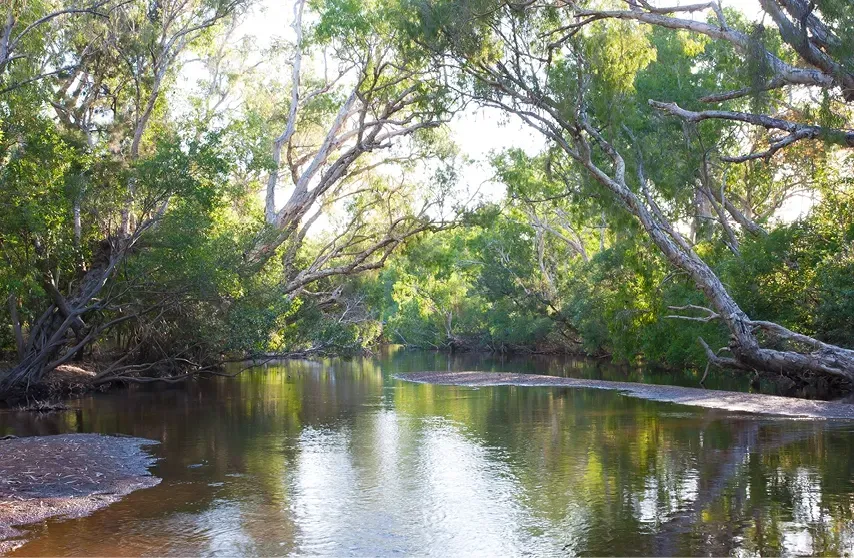
Works in or near waterways can affect aquatic habitat, fish movement and waterway condition. Redleaf provides aquatic ecological investigations to inform project planning, approvals and practical management measures.
What could this mean for your project?
A waterway crossing or drainage design may trigger aquatic habitat, fish passage or other assessment requirements. Early investigations can inform location and design choices and clarify potential approval considerations.
When to engage us
Planning crossings or in-stream works; assessing wetland or waterway condition; investigating aquatic species or fish passage; monitoring aquatic environments.
How we can help
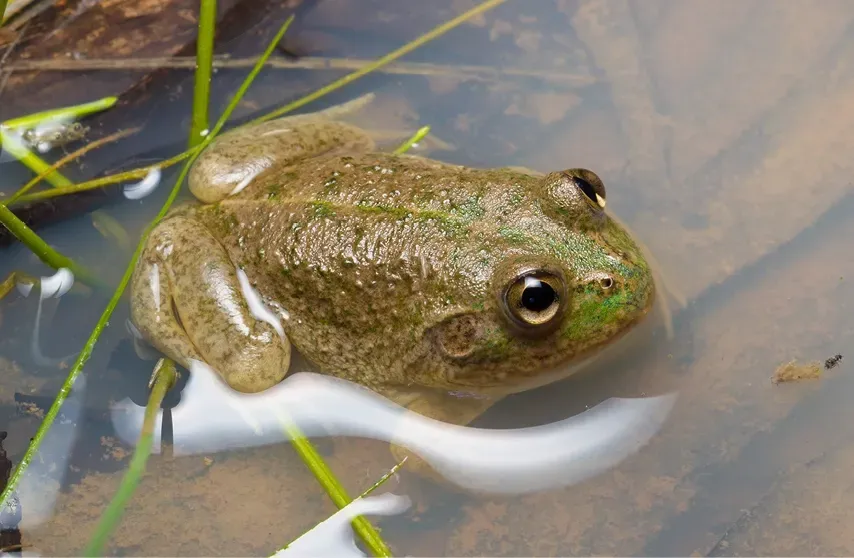
- Fish, turtle and platypus surveys
- Macroinvertebrate and eDNA investigations
- Aquatic habitat and waterway health assessments
- Fish passage and barrier assessments
- Aquatic monitoring.
Typical deliverables
Aquatic ecology reports; habitat and waterway assessment findings; recommendations for design, approvals or management.
Talk to our aquatic ecology team.
Many projects become delayed because environmental, cultural heritage, planning, and stakeholder issues are managed separately.
Redleaf Group Environmental works collaboratively with Redleaf Group Heritage to provide integrated advisory services that reduce duplication, improve coordination, and support smoother project delivery.
This approach is particularly valuable for
- infrastructure
- renewable energy
- development
- transport
- local government
- land management projects