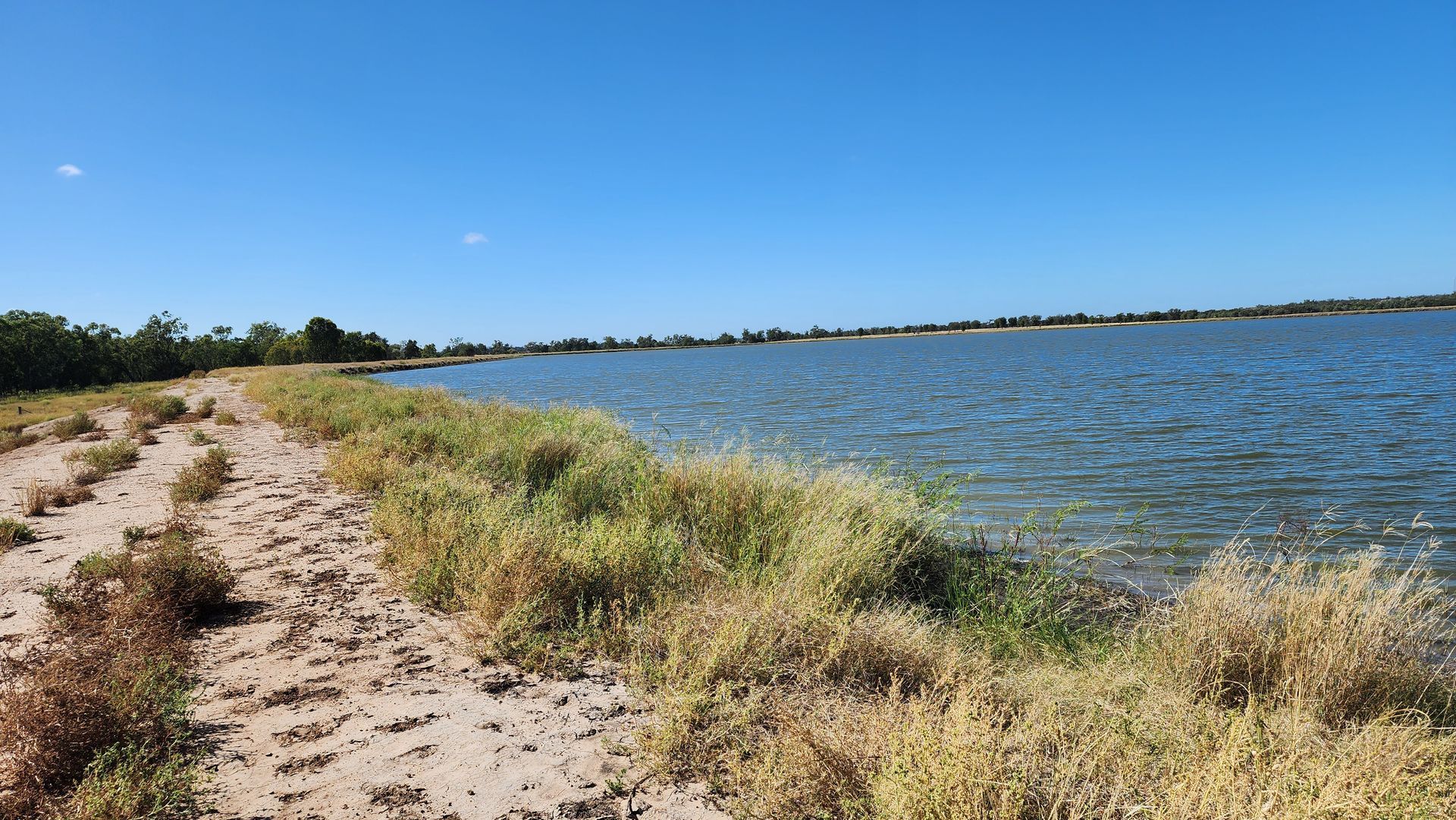
Flying-fox Management: Balancing Ecology, Community Expectations and Legislative Compliance
Flying-fox management is becoming increasingly important for councils, land managers and environmental professionals across Australia.
As urban development expands and natural habitats change, interactions between people and flying-foxes are becoming more common.
Effective flying-fox management requires a balanced approach that considers flying-fox ecology, community expectations, legislative compliance and long-term environmental outcomes.
Understanding how flying-foxes use roost sites, respond to seasonal food resources and interact with urban environments is critical for developing practical, defensible and sustainable management strategies.
Understanding Flying-fox Ecology
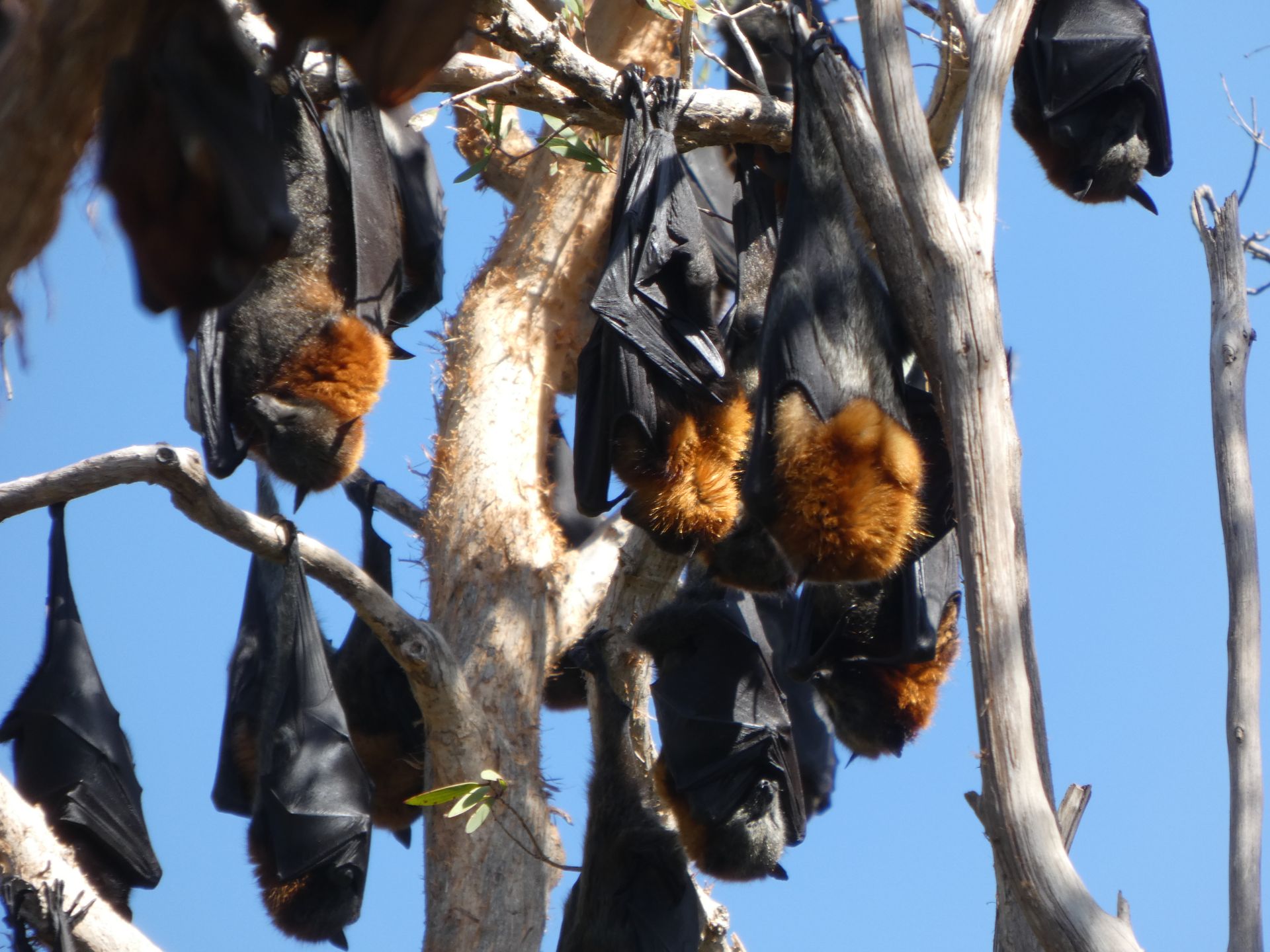
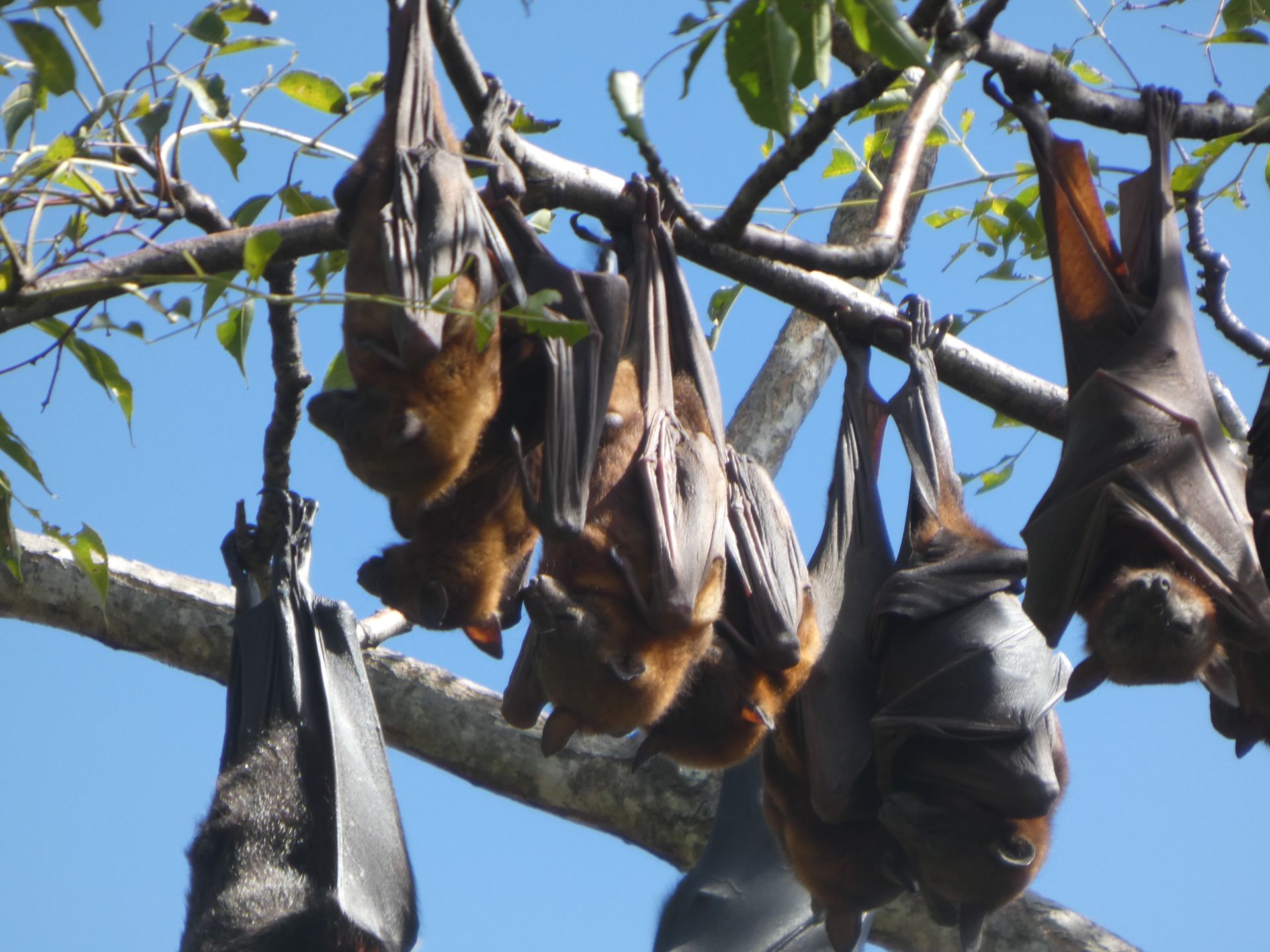
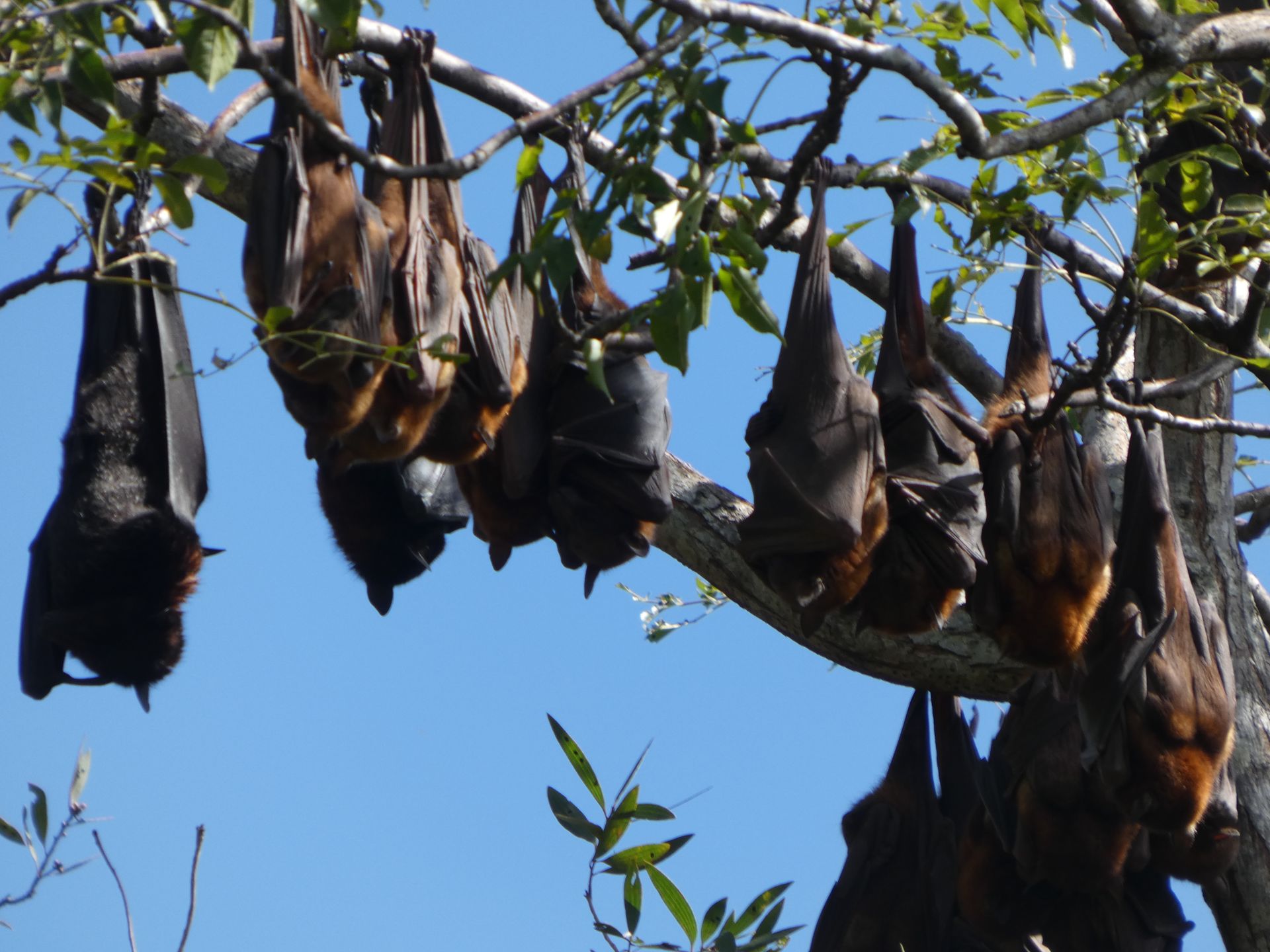
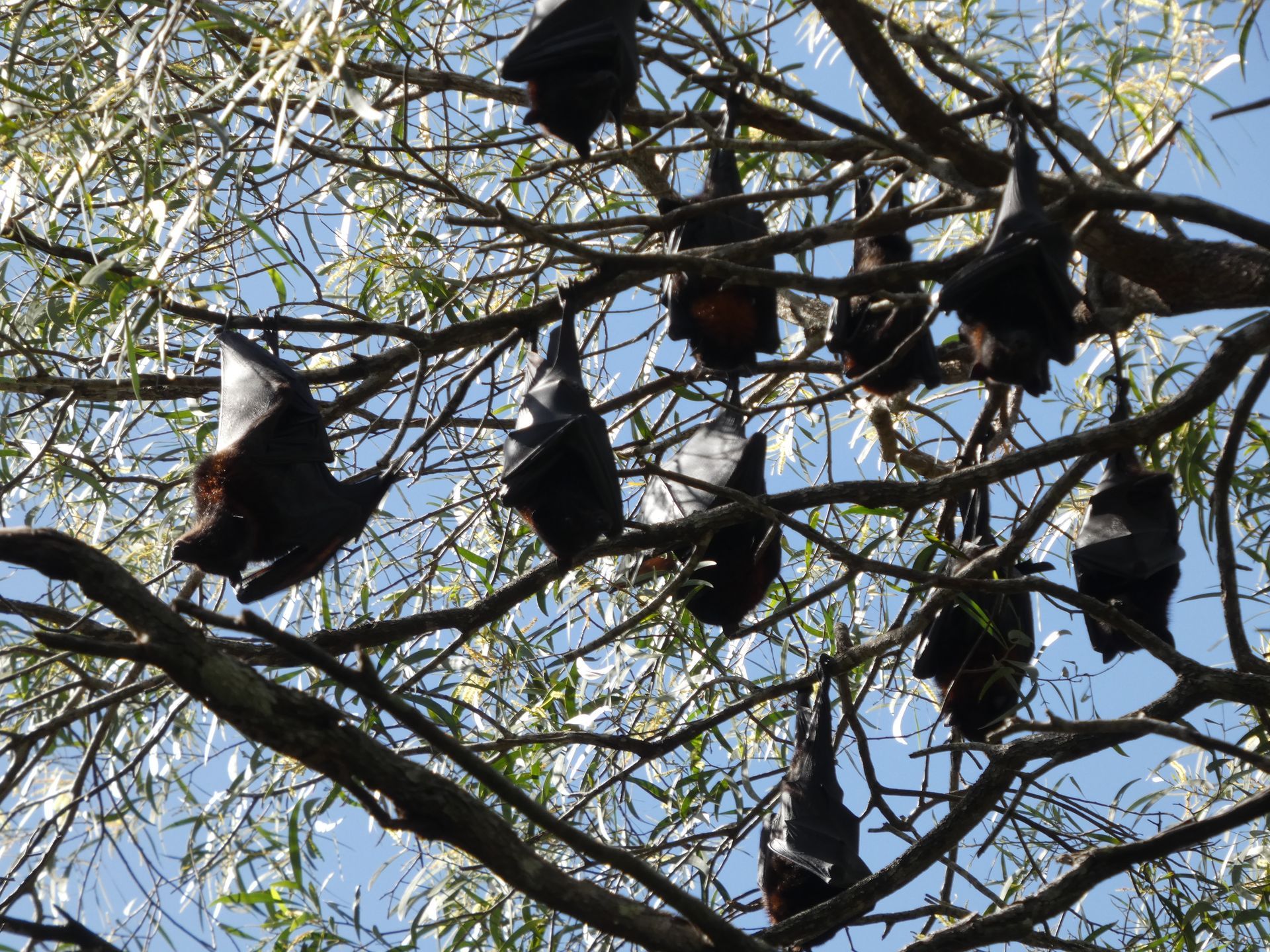
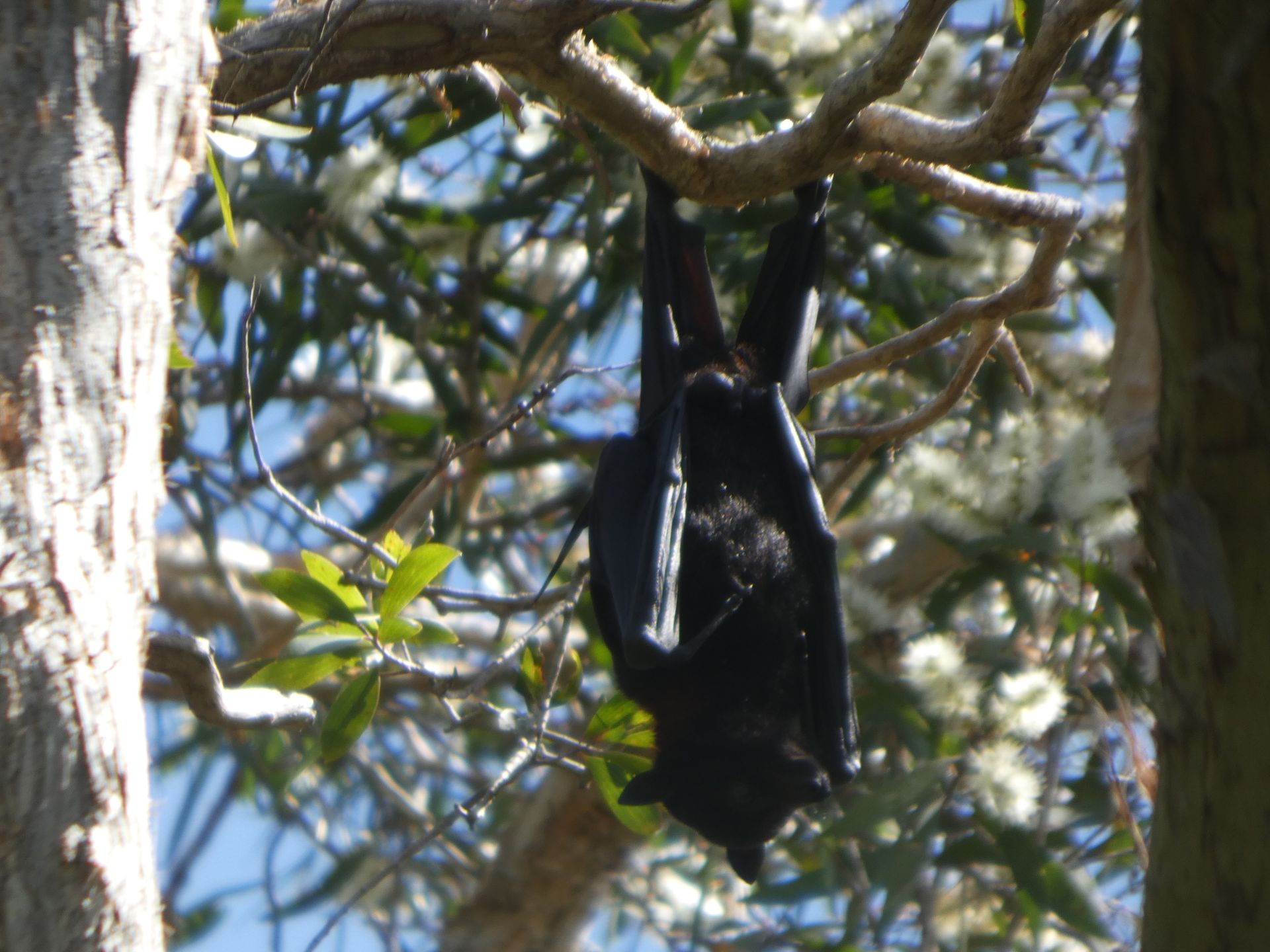
Flying-foxes are highly mobile native mammals that play a critical role in pollination and seed dispersal across Australian landscapes.
Unlike many other wildlife species, flying-fox populations are strongly influenced by seasonal flowering and fruiting events. This means their presence can fluctuate dramatically over time, with camps expanding, contracting or relocating in response to food availability.
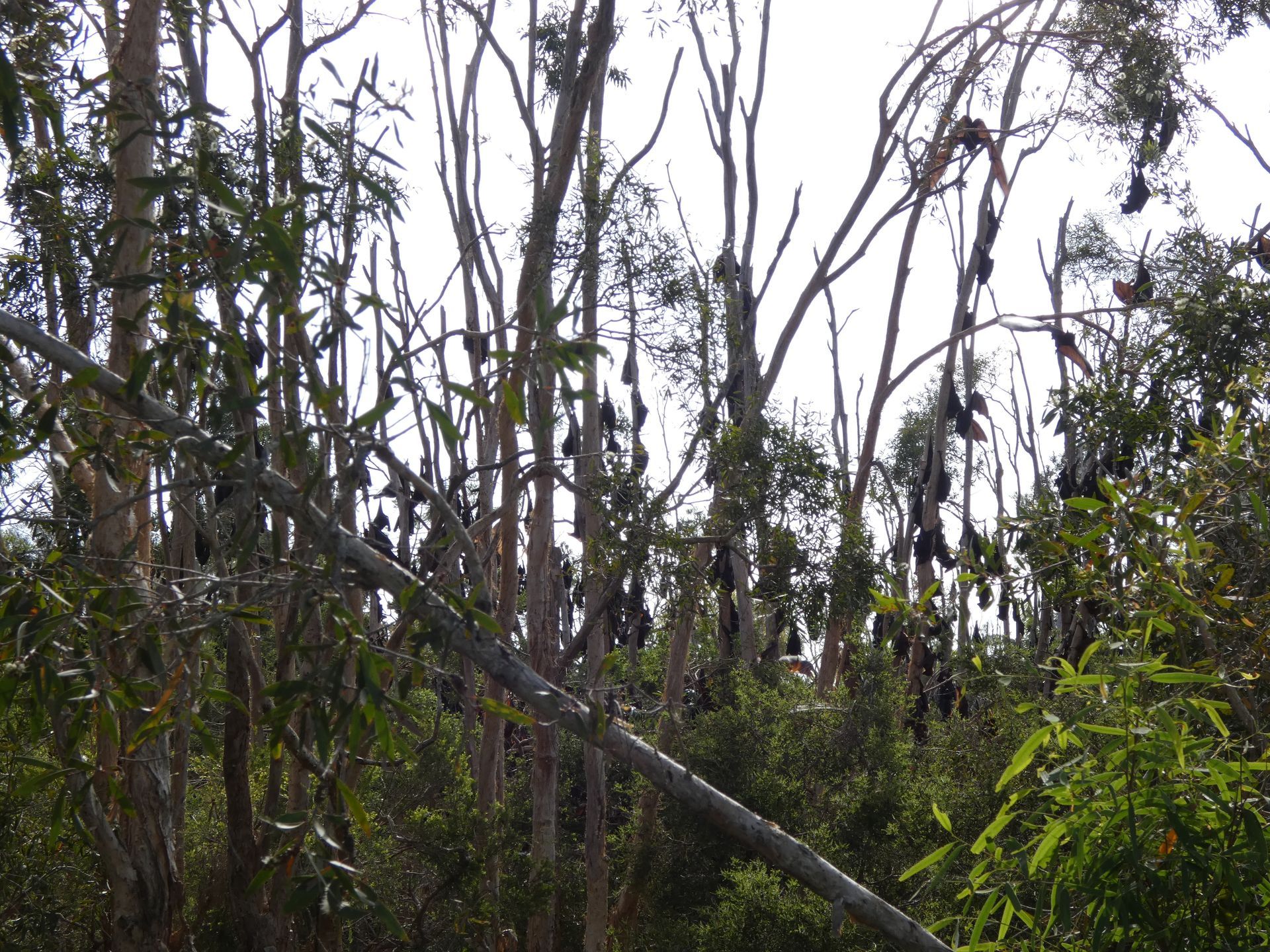
Some species, particularly Little Red Flying-foxes, can establish large temporary camps that may appear suddenly and disappear just as quickly. Others display strong fidelity to traditional roost sites and return to the same locations year after year.
Understanding these ecological drivers is fundamental to making informed and defensible management decisions.
Why Flying-fox Management Can Be Challenging
Community concerns associated with flying-fox camps typically include:
- Noise and odour
- Faeces and urine deposition
- Vegetation impacts
- Perceived public health risks
- Proximity to homes, schools and other sensitive land uses
However, management actions that focus solely on removing a perceived problem can often create new issues elsewhere.
Research and practical experience have demonstrated that dispersal activities frequently result in flying-foxes relocating short distances within the local landscape, potentially transferring impacts rather than resolving them.
The Importance of Strategic Planning
The most effective flying-fox management programs are proactive rather than reactive.
Strategic planning includes:
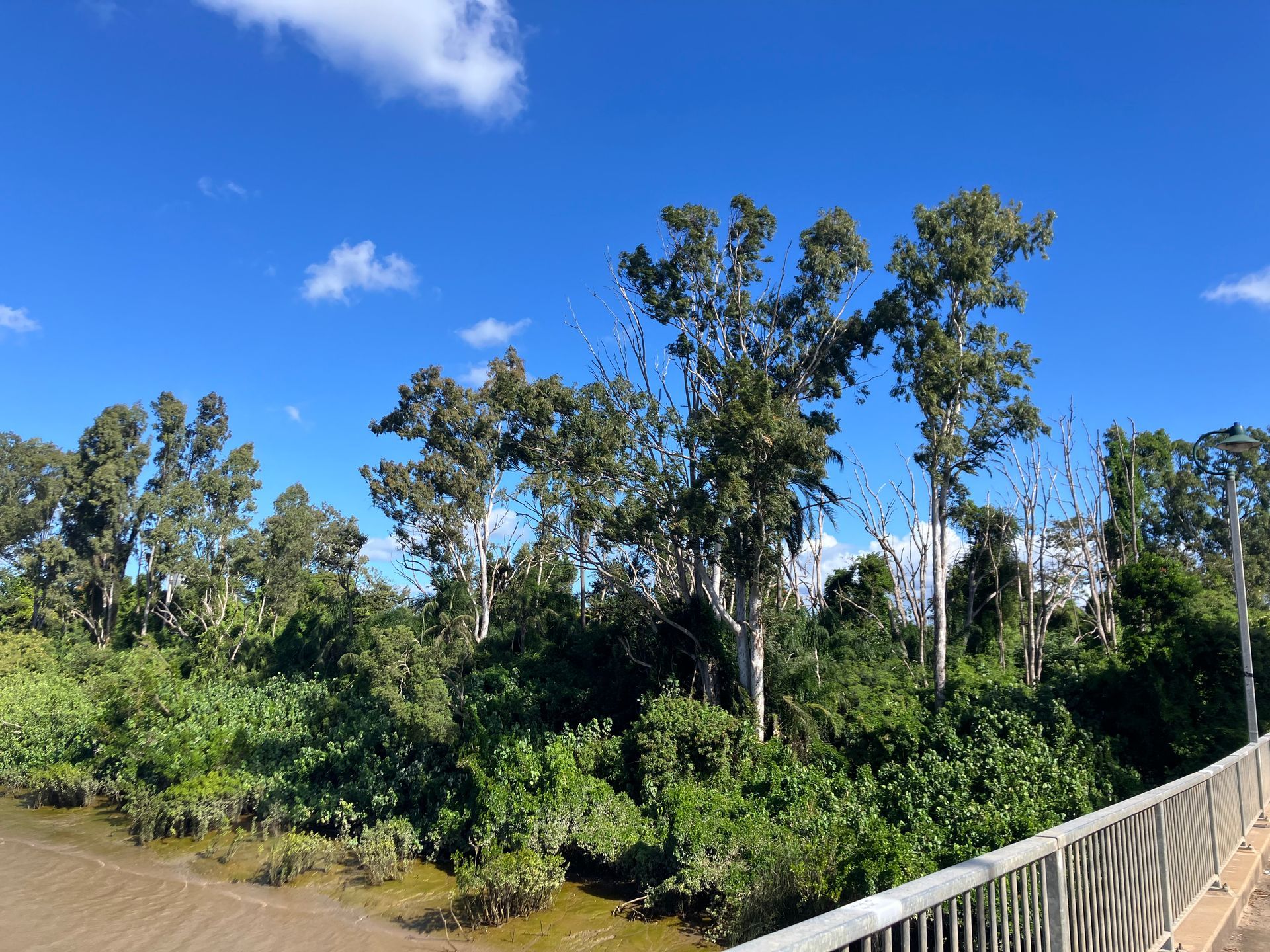
- Identifying existing and potential roost locations
- Understanding proximity to sensitive receptors
- Monitoring camp occupancy and seasonal trends
- Maintaining appropriate vegetation buffers
- Engaging communities with accurate information
- Assessing management options within legislative frameworks
By planning ahead, land managers can reduce conflict while improving consistency and transparency in decision-making.
Management Hierarchy: Starting with the Lowest Risk Approach
Best-practice flying-fox management generally follows a hierarchy of responses:
1. Minimum Intervention
Often the preferred starting point, minimum intervention may include:
- Community education
- Monitoring programs
- Protection of low-conflict roosts
- Planning and vegetation management
- Maintaining separation buffers
2. In Situ Management
Where impacts become significant, management may focus on reducing conflict while retaining the roost.
Examples include:
- Buffer creation and maintenance
- Selective vegetation management
- Modifying infrastructure use
- Site-specific mitigation measures
3. Dispersal as a Last Resort
Dispersal actions are resource intensive, carry significant ecological and legal risks, and often have limited long-term success.
As a result, dispersal is generally considered only after other management approaches have been assessed and exhausted.
Legislative Considerations Matter
Flying-fox management is governed by a range of state and federal legislation, policies and codes of practice.
Management actions may require consideration of:
- Flying-fox species present
- Breeding and rearing periods
- Animal welfare obligations
- Vegetation management requirements
- Protected species legislation
- Code of Practice requirements
- Referral obligations under federal environmental legislation
Failure to account for these requirements can create substantial legal, environmental and reputational risks.
Building Defensible Management Decisions
Successful flying-fox management relies on understanding the interaction between ecology, community expectations and legislative compliance.
Decision-making frameworks that consider site characteristics, conflict levels, breeding cycles, land tenure and management risks provide a more transparent and defensible pathway for managing flying-fox issues.
At Redleaf Group, we work with councils, government agencies and land managers to develop practical, evidence-based flying-fox management strategies that balance environmental outcomes with community needs.
For organisations facing flying-fox management challenges, early planning and informed decision-making remain the most effective tools for achieving long-term outcomes.
Need Advice on Flying-fox Management?
Navigating flying-fox management can be challenging, particularly when balancing ecological considerations, community expectations and legislative requirements. Whether you're responding to a newly established roost, planning future development, managing community concerns or seeking guidance on compliance obligations, obtaining specialist advice early can help reduce risk and support informed decision-making.
Redleaf Group provides flying-fox advisory services to councils, landholders, developers and infrastructure managers across Australia. Our team can assist with flying-fox assessments, management strategies, ecological advice, stakeholder engagement, development planning and compliance requirements to help deliver practical, evidence-based outcomes.
If you would like to discuss a flying-fox management challenge or explore proactive management options, contact Redleaf Group to speak with one of our environmental specialists.
Other Redleaf Group new articles you might enjoy