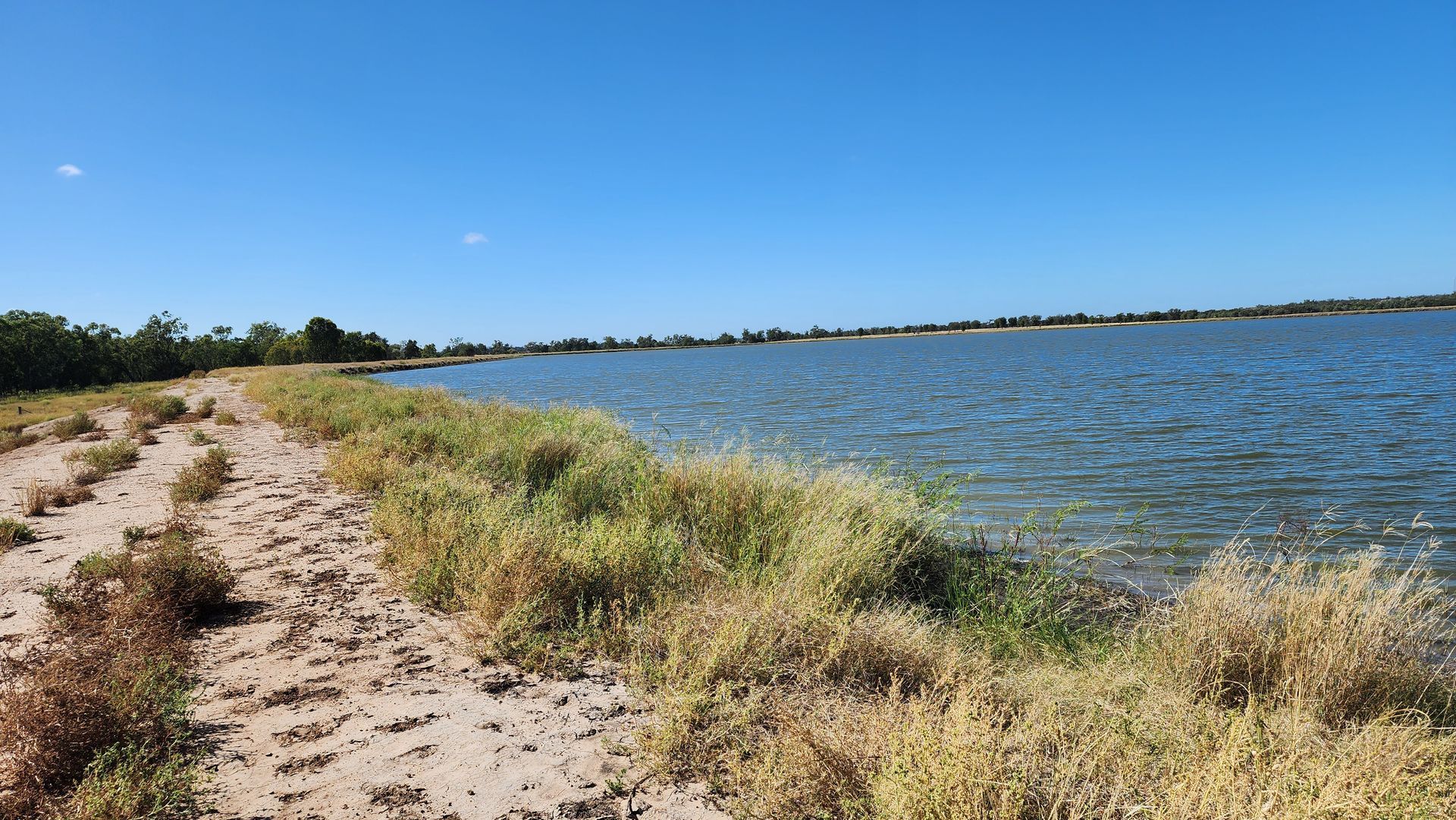
Queensland Waterway Barrier Rules Updated – What Developers Need to Know
Queensland Updates Waterway Barrier Rules – What Developers and Infrastructure Projects Need to Know
Queensland has introduced updated Accepted Development Requirements (ADRs) for waterway barrier works, bringing important changes to how culverts, crossings and other in-stream infrastructure are designed and approved.
The updates, implemented under the Fisheries Act 1994 (Qld) and the Planning Act 2016 (Qld), aim to improve fish passage and aquatic habitat protection across Queensland waterways.
A transition period applies until 30 November 2026, during which project proponents can choose to comply with either the updated ADRs or the previous standards.
These changes are relevant to many infrastructure and development projects, including:
- Road crossings and bridges
- Culverts and drainage infrastructure
- Dams and irrigation works
- Mining and energy developments
- Temporary construction barriers in waterways
For developers and project managers, understanding the updated requirements early can help avoid approval delays, design changes and compliance risks.
Key Changes to Queensland’s Waterway Barrier Requirements
Stronger Fish Passage Design Standards
The updated ADRs introduce stricter fish passage requirements for culverts and crossing structures to ensure aquatic species can move more freely through waterways.
Key design considerations now include:
- Reducing excessive water flow velocities through culverts
- Minimising “dark zones” within long culvert structures
- Improving bed simulation and substrate continuity
- Ensuring structures maintain connectivity across a wider range of flows
These changes reflect growing recognition that poorly designed barriers can fragment aquatic habitats and restrict fish migration.
Updated Waterway Mapping Across Queensland
The Queensland Government has also released updated high-definition waterway mapping to improve identification of regulated waterways.
Notable updates include:
- Reclassification of drainage basins such as the Condamine–Balonne, Moonie and Border catchments
- Changes to how high-order (“purple”) waterways are identified
- Improved spatial accuracy of mapped waterways
As a result, some areas previously considered minor drainage features may now be mapped as regulated waterways requiring compliance with waterway barrier rules.
New Notification Requirements for Temporary Barriers
Temporary barriers used during construction activities now require formal notification to regulators.
This change is designed to:
- Prevent misuse of self-assessable development provisions
- Ensure temporary structures do not unintentionally disrupt fish passage
- Reduce risks to aquatic habitats during construction works
Developers and contractors undertaking temporary works within waterways should review these requirements carefully.
Broader Definition of a “Waterway”
The updated guidance also expands how waterways are defined under the legislation.
This broader interpretation means that some features not previously captured may now be regulated, including:
- Drainage lines
- Ephemeral streams
- Modified or artificial channels
This has implications for projects involving:
- Rural crossings
- Agricultural infrastructure
- Stormwater and drainage works
- Urban development projects
Early site assessment is therefore increasingly important.
Greater Focus on Cumulative Barrier Impacts
The updated framework recognises the cumulative impacts of multiple small barriers within a catchment.
While a single structure may appear minor, repeated barriers across a drainage network can significantly affect fish movement and aquatic ecosystem connectivity.
The revised guidance encourages planners and designers to consider catchment-scale impacts rather than assessing structures in isolation.
When the Updated Rules Apply
The updated Accepted Development Requirements for waterway barrier works are already in effect.
However, a transition period until 30 November 2026 allows proponents to apply either:
- The updated ADRs, or
- The previous standards
This transition period gives developers, infrastructure providers and local governments time to update design practices and planning processes.
Why the Changes Matter for Infrastructure and Development Projects
The updated rules may affect approvals and design for a wide range of projects, including:
- Road and bridge upgrades
- Culvert installations and replacements
- Agricultural crossings and irrigation infrastructure
- Stormwater drainage systems
- Mining and energy developments
- Temporary construction works within waterways
Considering these requirements during early project planning can reduce the risk of redesign, approval delays and compliance issues.
How Redleaf Group Can Help
Redleaf Group has extensive experience supporting projects requiring waterway barrier approvals, fish passage assessments and aquatic ecological advice across Queensland.
Our team regularly assists clients with:
- Waterway barrier impact assessments
- Fish passage design advice
- Pre-lodgement discussions with regulators
- Operational Works approvals and self-assessable compliance
- Aquatic ecological surveys and habitat assessments
Early engagement can help ensure your project meets regulatory requirements while maintaining efficient project delivery.
If you’re unsure how the updated waterway barrier rules may affect your project, the Redleaf team can help interpret the new requirements and guide you through the approvals process.
Other Redleaf Group new articles you might enjoy