December 1, 2025

Redleaf After Dark: A Night of Appreciation and Celebration

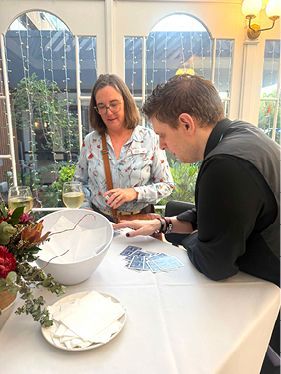
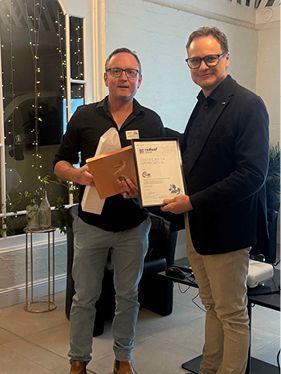
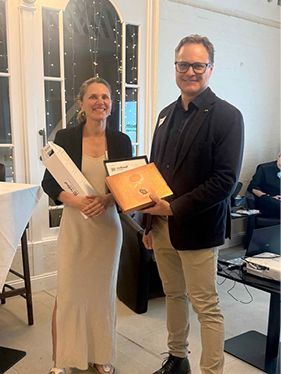
As we reflect on 2025, one of the standout moments for our team was hosting Redleaf After Dark—a cocktail evening held in appreciation of our valued clients. This exclusive event brought together over 20 of our partners and collaborators for a memorable night of celebration, gratitude, and connection.


Held in a relaxed, elegant setting, the evening was our way of saying thank you for your continued trust and support throughout the year. We enjoyed great conversation, good music, and a chance to unwind and reflect on the successes we’ve achieved together.


For those who joined us, thank you for making the night truly special. And for those who couldn’t make it, we look forward to celebrating with you next time!


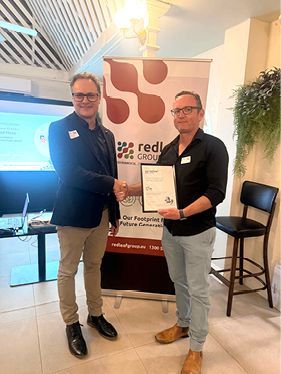
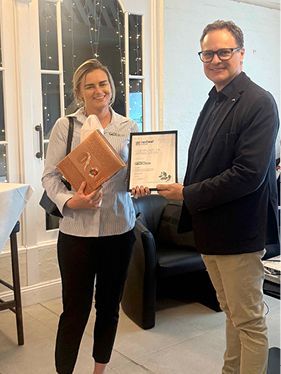
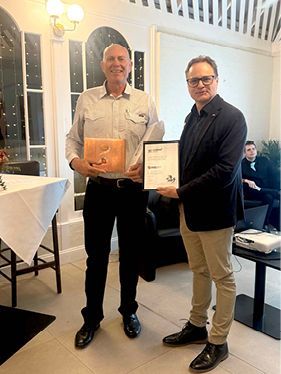
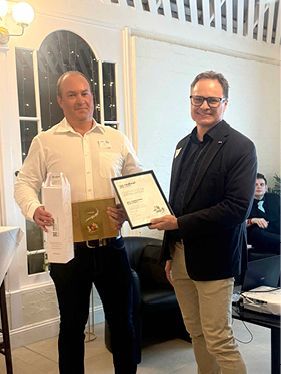
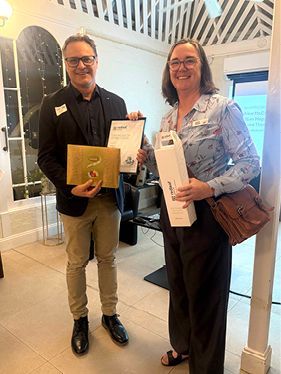
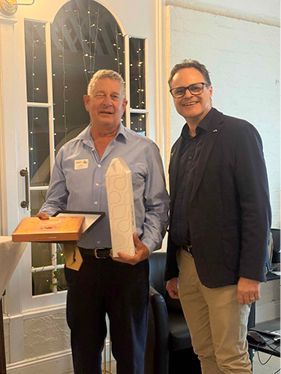
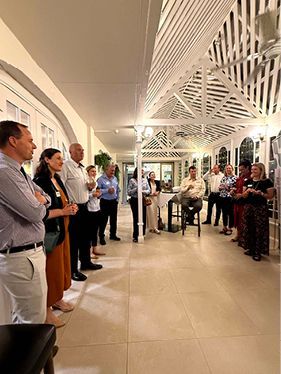
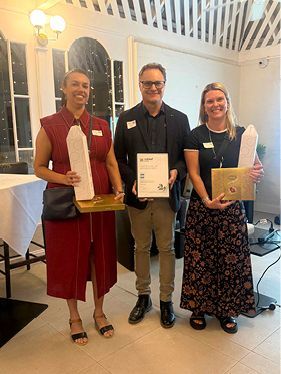
Below are some highlights from the evening—capturing the energy, camaraderie, and joy shared by all. Here's to another year of growth, teamwork, and achievement with the Redleaf Group.
Cheers!

Other Redleaf Group new articles you might enjoy

January 28, 2026
We are excited to announce the launch of redleafgroupheritage.au , showcasing our expanded Heritage Team and our full range of Cultural Heritage, Built Heritage, Native Title, and Training services. On the new site you’ll find: Heritage service overview Profiles of our heritage specialists Project examples and tailored solutions Cultural awareness and heritage training opportunities We welcome your feedback and invite you to explore the new site. Contact: heritage@redleafgroup.au
January 28, 2026
Through the year our teams undertake training in various areas. Earlier in the year, the ecology team at Redleaf Group spent a day in the field understanding the importance of riparian revegetation and learning about the methods used to support its regeneration. Riparian vegetation refers to the plant life that grows along the banks of rivers, streams, creeks, and other flowing bodies of water. These plants play a vital role in stabilising soil along waterways, helping to reduce erosion and sedimentation. In turn, this supports the health of our ecosystems by maintaining water quality for the plants and animals that depend on these habitats. They visited sites with varying levels of success, which helped them to better understand factors to consider when embarking on revegetation projects. Some factors include suitability of species to be planted, soil types, topography and the existing vegetation. The team are keen to revisit the sites in the coming months and years to see the progress of the little seedlings.