Fish Protection Screens Proven to Reduce Native Fish Entrainment in Irrigation Systems
Fish Screens Deliver Strong Results for Native Fish Conservation
Protecting Australia's native freshwater fish while supporting productive agriculture is an ongoing challenge. A recent aquatic ecology investigation has demonstrated that modern fish protection screens can play a critical role in achieving both outcomes.
Our team completed a comprehensive two-year field study assessing the effectiveness of fish protection screens installed on irrigation pump intakes across multiple river systems within the northern Murray - Darling Basin.
The Challenge
Irrigation water extraction is essential for agricultural production, but unscreened irrigation pumps can unintentionally entrain native fish into irrigation infrastructure. Once inside the system, fish may suffer injury, mortality or become permanently isolated from natural river populations.
While fish screens are becoming more widely adopted, there has been limited Australian field data demonstrating how effective they are under real operating conditions.
Our Approach
Our aquatic ecology specialists developed and implemented a standardised monitoring program across multiple irrigation pumping systems over two years.
The study included:
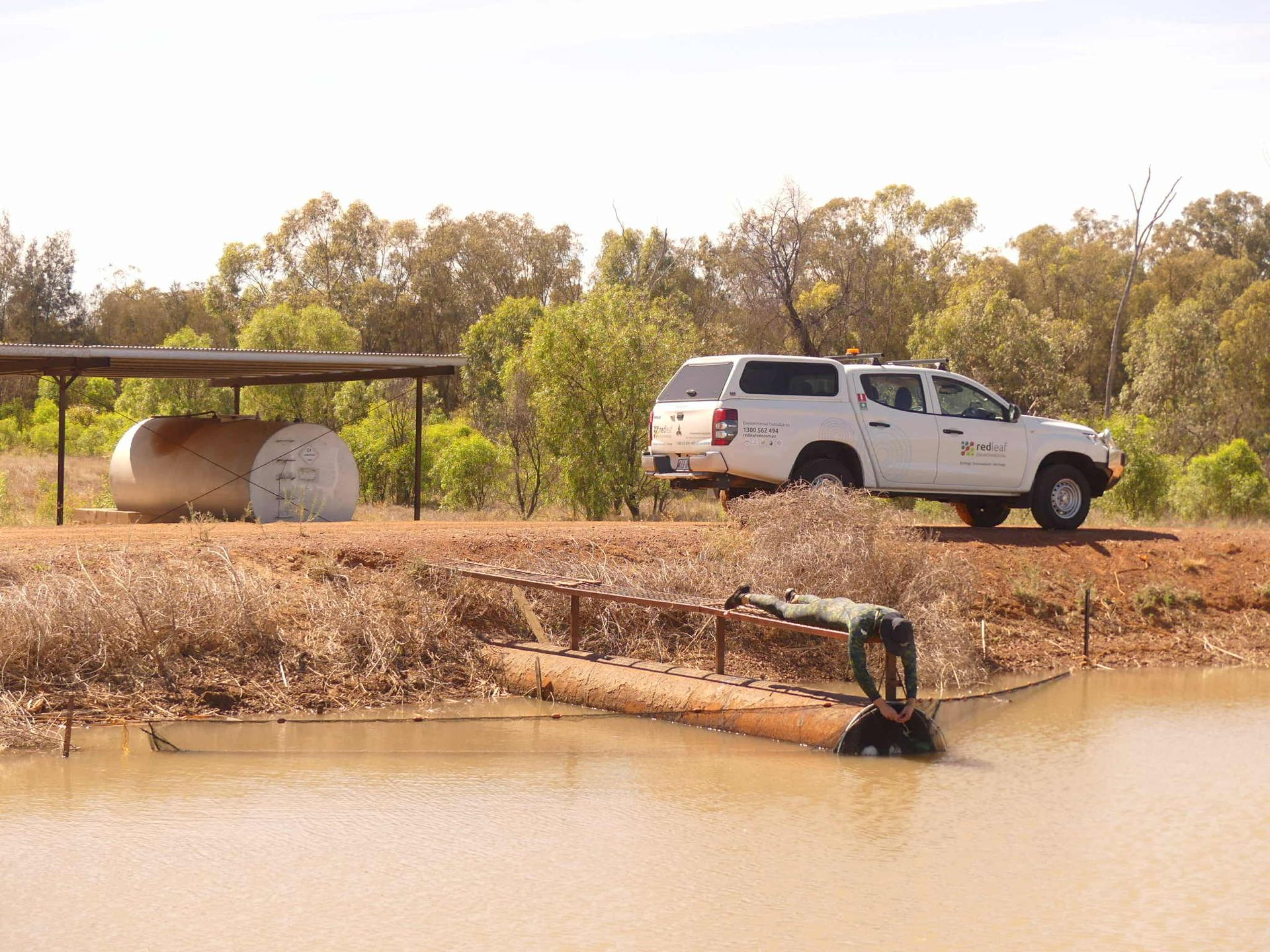
- Monitoring both screened and unscreened irrigation pumps
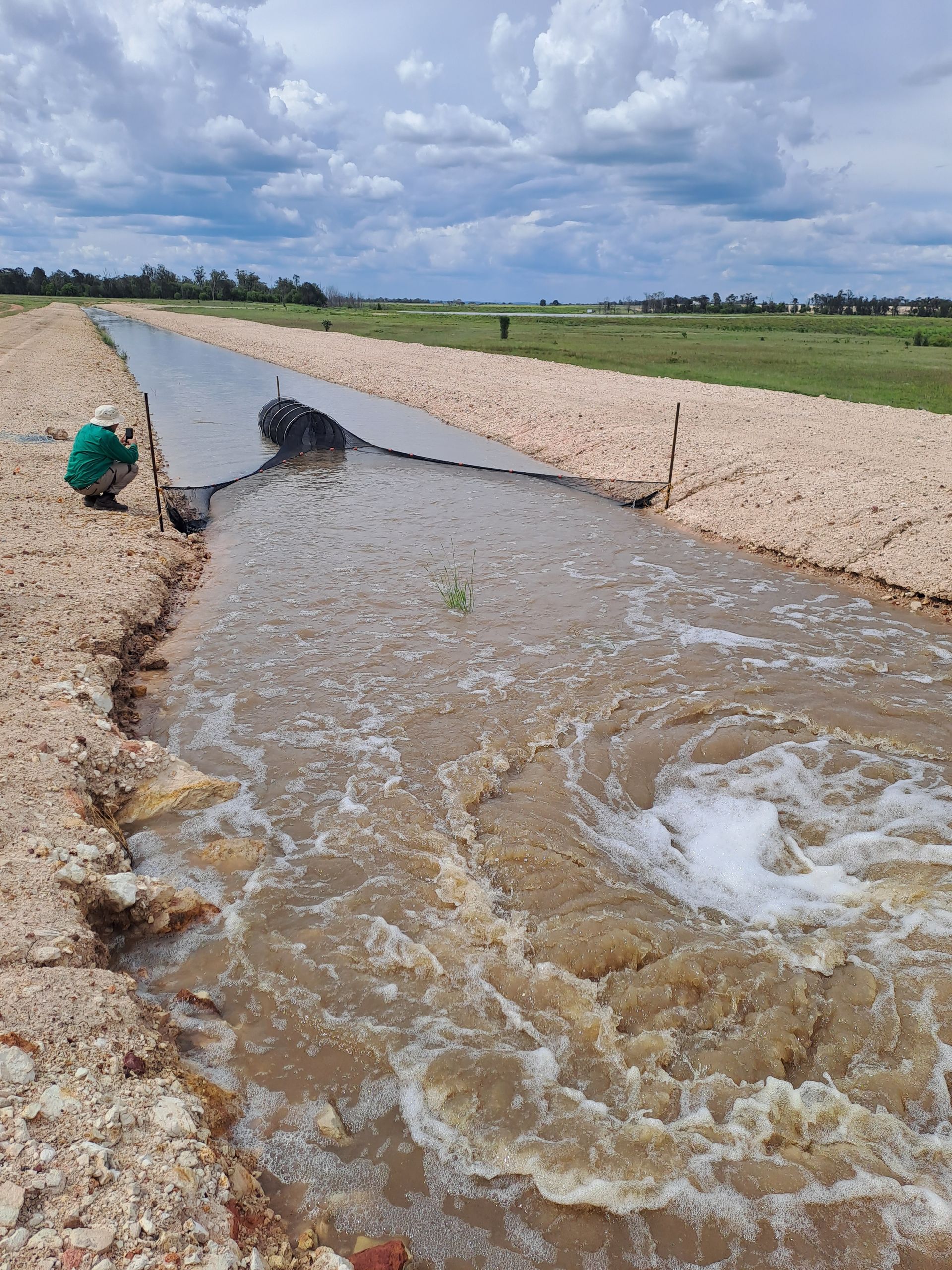
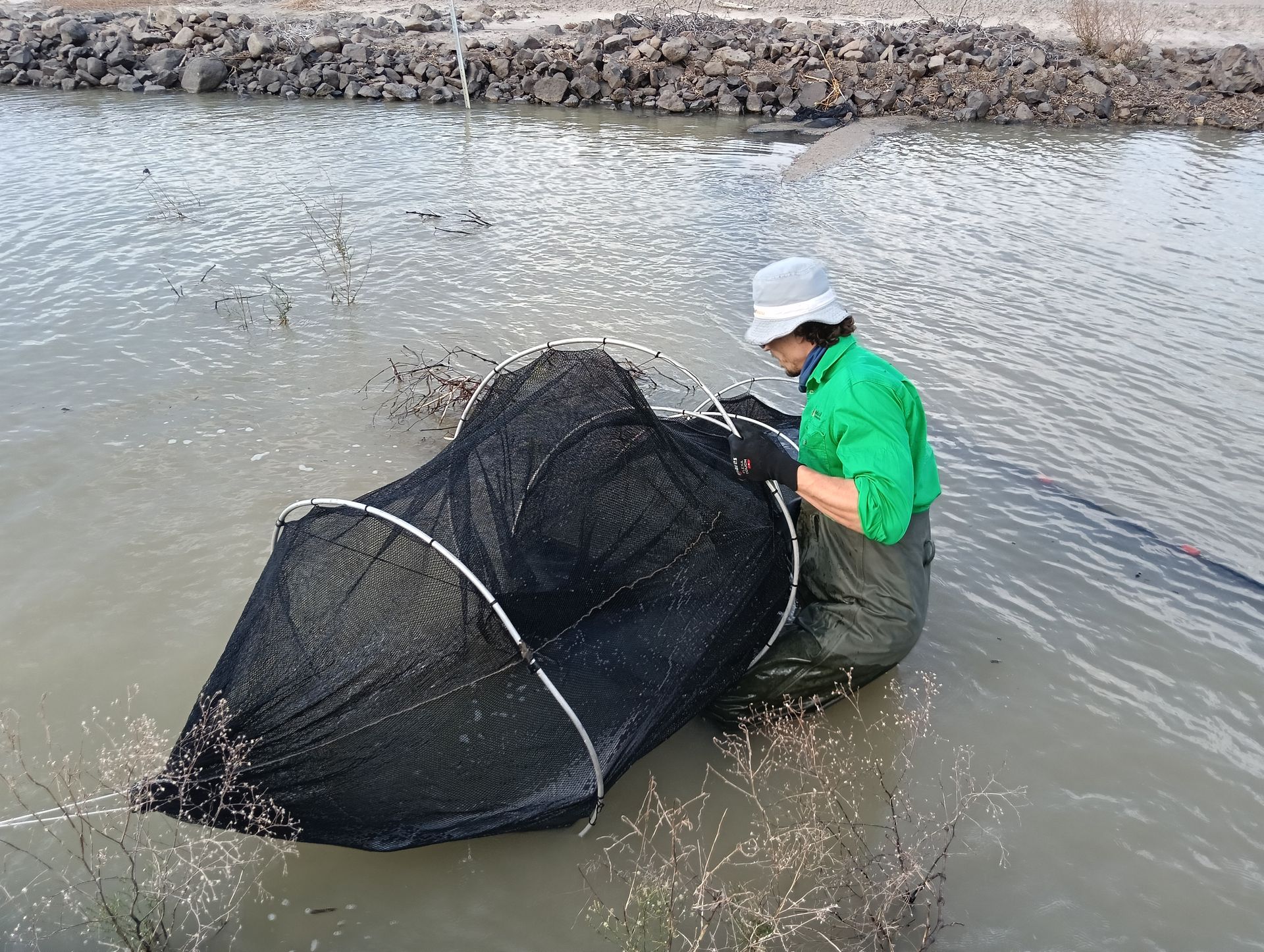
- Measuring fish entrainment using fyke nets and hand nets
- Recording species, abundance, injuries and survival
- Assessing pump operation and environmental conditions
- Applying statistical modelling to compare system performance
Hundreds of native and introduced fish were assessed under operational irrigation conditions to provide robust scientific evidence.
Outstanding Results
The project confirmed that properly designed fish screens are highly effective at protecting native fish.
Key findings included:
- 100% reduction in new fish entrainment at monitored screened pump systems
- More than 22% reduction in fish mortality
- Significant improvements in fish survival
- Identification of pump operating conditions linked to increased injury and mortality
- Evidence that pump operating rate is a key factor influencing fish survival
The research also highlighted the importance of site-specific hydraulic conditions when assessing ecological risk.
Supporting Sustainable Water Management
These findings provide valuable evidence for water managers, irrigation operators and regulators seeking practical solutions that balance agricultural productivity with biodiversity conservation.
By combining field-based ecological investigations with rigorous scientific analysis, we continue to deliver evidence-based solutions that improve environmental outcomes while supporting sustainable water resource management.
Protect native fish. Improve project outcomes.
Every water infrastructure project presents an opportunity to balance operational performance with environmental responsibility. Our aquatic ecology experts provide practical, evidence-based solutions to help clients meet regulatory requirements, minimise ecological impacts and deliver better outcomes for waterways.
Whether you need support with fish screen assessments, environmental monitoring, impact assessments or specialised training, we're ready to assist.
Let's talk about your next project.
Other Redleaf Group new articles you might enjoy