
January 27, 2026

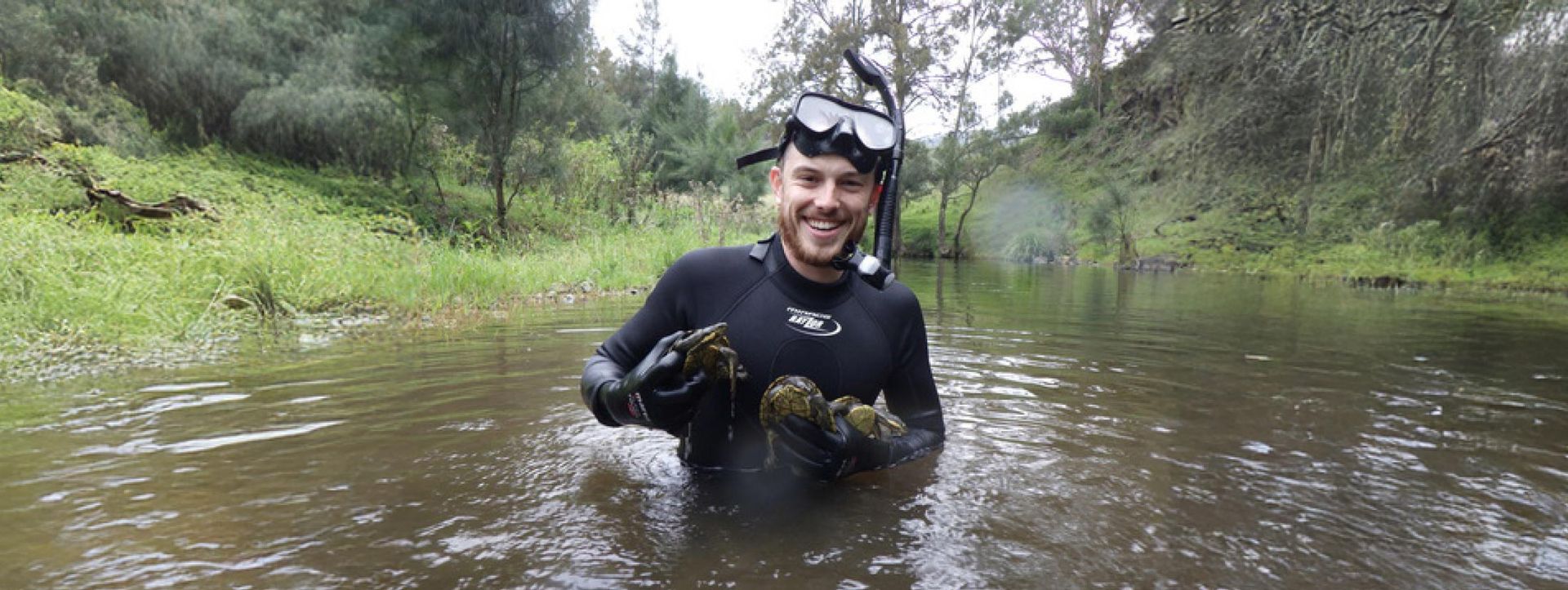
Meet the Team – Spotlight on Lachlan Harriman

Lachlan Harriman

Environmental Scientist & Ecologist


Lachlan Harriman is an experienced Environmental Scientist and Ecologist passionate about restoring natural ecosystems and protecting threatened species. With extensive field experience across Queensland, Lachlan has contributed to a wide range of ecological surveys—including flora and fauna assessments, habitat condition evaluations, waterway barrier assessments, and targeted threatened species surveys.


His work includes post-fire and post-flood rehabilitation, bushfire management, aquatic flora surveys, and the installation of nest boxes for vulnerable bird species. Lachlan also brings strong spatial analysis capabilities, enhancing Redleaf’s project planning and ecological modelling services.


Q&A with Lachlan

What inspired you to join Redleaf?
“I joined after university because Redleaf offered diverse projects and meaningful work. Three years in, I’ve been fortunate to work on incredible projects—from snorkelling with platypus to conducting thousands of hectares of flora surveys.”


A project you’re proud of?
“Confirming the presence of State and National environmental matters in a tributary of the Brisbane River. My surveys helped guide the client to an environmentally responsible and compliant project outcome.”


Favourite ‘wait… really?’ ecology fact?
“Many Australian birds and marsupials depend on tree hollows that take hundreds of years to form. Old-growth trees underpin entire ecosystems.”


What keeps you energised outside work?
“Hiking and wildlife photography across the national parks of South East Queensland.”
Other Redleaf Group new articles you might enjoy

March 1, 2026
Queensland has introduced important reforms to the Nature Conservation Act 1992 (NCA), strengthening how the State manages protected species, wildlife habitat and conservation areas — while improving clarity and consistency around environmental approvals. The updates are designed to ensure responsible development in Queensland with clearer guidance for proponents, landholders, developers and industry. Importantly, the reforms do not reduce environmental protections. Instead, they focus on improving approval pathways, aligning legislation and reinforcing biodiversity safeguards. If you are planning works that may interact with native vegetation, threatened species or protected areas, understanding the updated framework is essential. What Has Changed Under the Nature Conservation Act? The reforms centre on four key objectives: Clearer environmental approval pathways Improved alignment with the Environmental Protection Act 1994 (EP Act) Stronger risk-based decision-making Ongoing protection of biodiversity and threatened flora and fauna Together, these changes aim to reduce uncertainty while maintaining robust environmental standards. Clearer Approvals and Responsibilities for Proponents The reforms provide greater clarity around when approvals are required under the Nature Conservation Act — particularly where projects may: Disturb wildlife habitat Involve clearing in areas supporting protected species Occur within or near protected areas and reserves Updated definitions and guidance are intended to reduce ambiguity and help proponents identify approval requirements earlier in the planning process. Early certainty can significantly reduce redesign, delays and compliance risk. For developers and landholders, this means improved visibility around environmental obligations before construction or operational works commence. Better Alignment with the Environmental Protection Act 1994 A key outcome of the reforms is stronger integration between the Nature Conservation Act and the Environmental Protection Act 1994, as well as related regulatory frameworks. This improved alignment is expected to reduce: Duplicated environmental assessments Conflicting approval conditions Delays caused by disconnected regulatory processes In practical terms, projects that proactively identify environmental risks should benefit from more coordinated and streamlined approvals across State legislation. Continued Strong Protection for Biodiversity in Queensland While the framework improves efficiency, it reinforces Queensland’s commitment to: Protecting threatened species and ecological communities Retaining important habitat values Avoiding, minimising and mitigating environmental impacts Projects with higher environmental risk will continue to undergo rigorous assessment and compliance monitoring. Risk-based decision-making ensures that regulatory scrutiny is proportionate to potential environmental impacts. What Do the NCA Reforms Mean for Your Project? Depending on your activities, the updated Nature Conservation Act framework may influence: Threatened species survey requirements Conditions applied to development approvals Habitat protection, environmental offsets or rehabilitation obligations Timeframes and supporting documentation requirements For many proponents, obtaining early ecological and regulatory advice will become even more important. Identifying environmental risks upfront can help avoid project delays, unexpected conditions and unnecessary costs. How Redleaf Group Supports Clients Under the Revised Nature Conservation Act Redleaf Group works with government, developers, infrastructure providers, industry and landholders across Queensland to help projects proceed confidently and responsibly under environmental legislation. Our services include: Strategic advice on environmental approval pathways Nature Conservation Act compliance and project strategy Threatened species and habitat assessments Preparation of technical reports and supporting documentation Coordination with regulators and key stakeholders Environmental risk management and compliance planning Our approach is practical, collaborative and outcomes-focused — helping clients meet statutory obligations while keeping projects moving efficiently. Need Advice on the Queensland Nature Conservation Act Reforms? If you are planning development, infrastructure, land management or tourism activities that may interact with native vegetation, wildlife habitat or protected areas, our team can provide tailored guidance on: Approval requirements Environmental risks Next steps under the revised framework Get in touch with Redleaf Group
January 28, 2026
We are excited to announce the launch of redleafgroupheritage.au , showcasing our expanded Heritage Team and our full range of Cultural Heritage, Built Heritage, Native Title, and Training services. On the new site you’ll find: Heritage service overview Profiles of our heritage specialists Project examples and tailored solutions Cultural awareness and heritage training opportunities We welcome your feedback and invite you to explore the new site. Contact: heritage@redleafgroup.au